Elevate Your Space: The Impact of Professional Architectural Design Services
Skilled architectural design offerings play a vital part in reshaping environments. These services merge practicality with visual appeal, ensuring that each project meets both practical needs and visual standards. Architects employ advanced techniques and sustainable practices, adapting their creations to fulfill local needs. Still, a great number of people are uninformed about how these solutions can reveal the hidden possibilities within their spaces. Examining the wide-ranging benefits of working with an architect uncovers perspectives that could transform any environment.
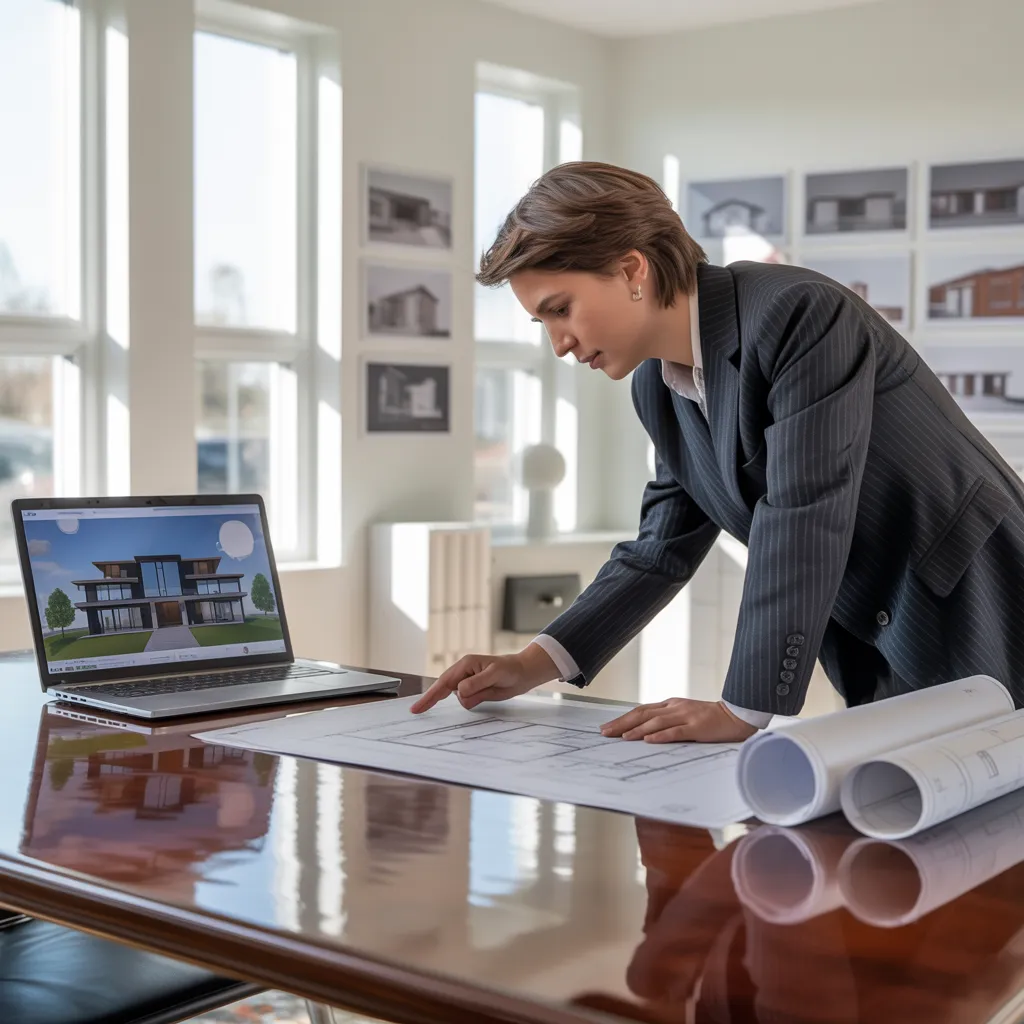
Discovering the Worth of Expert Architectural Design
Revealing the importance of expert architectural planning is fundamental for elevating both functionality and aesthetic appeal in any endeavor. Professional architectural practice goes beyond basic appearance; it incorporates the principles of environmental sustainability, structural integrity, and space planning. By utilizing innovative strategies and a thorough understanding of construction materials, design experts craft spaces that are not only visually striking but also practical and efficient.
Additionally, skilled architects take into account the specific aspects of each individual project, including regulatory requirements, environmental conditions, and community expectations. This comprehensive methodology confirms that the architectural design is not only innovative but also harmonious with its surroundings. They employ cutting-edge technology, such as 3D visualization, to give clients a precise visualization of the finished project. When all is considered, commissioning professional architectural design produces lasting advantages, elevating both the living experience and the long-term value of the property.
Key Benefits of Hiring an Architect for Your Design Project
Employing an architect for a construction project offers many benefits that elevate both the workflow and the end result. Architects bring a wealth of expertise, confirming that projects follow local regulations and building codes, which can prevent costly issues down the line. Their ability to produce detailed plans and specifications helps streamline the construction process, decreasing delays and miscommunication among building professionals.
Furthermore, architects are proficient in project management, managing various aspects of the design and construction phases. This coordination confirms that time frames and budgets remain on track, instilling confidence in clients. Additionally, architects have the ability to detect potential challenges at the beginning of the design phase, enabling proactive problem-solving. Their knowledge of materials and construction methods can lead to innovative solutions that maximize efficiency and sustainability. At the end of the day, hiring an architect not only improves the quality of the project but also enhances the overall experience for clients.
Enhancing Aesthetics and Functionality Through Architectural Expertise
Architecture expertise holds a vital role in enhancing both aesthetics and functionality in design projects. By implementing forward-thinking design strategies, maximizing available space, and choosing eco-friendly materials, architects can create environments that are beautiful and highly functional. This methodology not only meets client needs but also promotes environmental responsibility.
Innovative Design Solutions
Creative design approaches revolutionize spaces by effortlessly merging beauty with practicality. Architectural professionals leverage creative strategies to meet diverse client needs while enhancing visual appeal. By employing materials, colors, and forms that resonate with the environment, architects craft balanced environments that embody personal character. Cutting-edge technology, such as 3D rendering and virtual reality, enables realistic visualizations, enabling clients to visualize concepts before implementation. Furthermore, incorporating eco-friendly methods ensures that designs are both visually appealing and environmentally responsible. Through careful consideration of light, space, and flow, these solutions maximize user experience and promote well-being. Ultimately, innovative design fosters a unique synergy between practicality and beauty, elevating the overall quality of living and working environments.
Space Maximization Strategies
Making the most of space demands thoughtful planning and design approaches that elevate both form and function. Expert architectural design firms utilize strategies like open-concept layouts, which remove redundant walls and promote a feeling of openness. Multi-functional furniture can be integrated to serve various purposes, ensuring that every square foot is utilized effectively. Additionally, thoughtful placement of windows and mirrors can create the illusion of larger spaces, drawing in natural light and enhancing visual depth. Architects also consider circulation patterns, ensuring that movement through a space is both intuitive and efficient. By emphasizing these improvement methods, architects reshape environments into cohesive spaces that not only present beautifully but also serve the everyday needs of their residents.
Sustainable Material Choices
With a growing emphasis on sustainability, designers are turning more often to sustainable materials that elevate both design quality and practical use. Making use of resources such as reclaimed wood, bamboo, and recycled metal not only reduces environmental impact but also brings distinctive charm to interiors. These decisions foster a harmonious design, integrating naturally with the surrounding environment. Furthermore, the use of low-VOC paints and energy-efficient glass boosts interior air quality and strengthens thermal efficiency, thereby supporting the well-being and comfort of those within. Through the thoughtful choice of eco-friendly resources, architects create visually appealing environments that resonate with eco-conscious clients. This approach fosters a more responsible architectural practice, proving that beauty and sustainability can coexist, as it meets the urgent demand for green solutions in contemporary architecture.
How Technology Is Transforming Modern Architectural Designs
Today, a multitude of technological advancements significantly impacts architectural design, changing how structures are planned and developed. Building Information Modeling (BIM) allows architects to develop comprehensive 3D models, supporting better collaboration between stakeholders and ensuring precision throughout the design process. Furthermore, virtual reality (VR) and augmented reality (AR) enable clients to interact with spaces before they are developed, making design decisions more thoughtful and deliberate.
Technology has also played a key role in advancing sustainability, with energy modeling programs enabling architects to enhance structural performance by simulating connected information energy consumption and environmental impact. Moreover, advanced materials and construction techniques, such as prefabrication and 3D printing technologies, streamline the construction process, minimizing construction timelines and financial outlays. Drones and robotics are increasingly used for site surveys and inspections, delivering live data that enhances precision and on-site safety. Overall, technology not only fosters creative design but also ensures that architectural solutions align with contemporary standards of efficiency and sustainability.
Common Misconceptions About Architectural Services
A great number of people have false beliefs about architectural services, thinking that they are far too costly and that architects only focus on building design. Such a restricted viewpoint disregards the wide variety of services architects provide, including planning and consultation. Understanding these misconceptions is essential for appreciating the true value of professional architectural knowledge.
Architectural Services Come at a High Cost
The belief that architectural services are prohibitively expensive often stems from misunderstandings about their value and scope. Many individuals equate high costs with a lack of affordability, overlooking the long-term benefits that professional design can provide. Architectural services encompass more than just blueprint creation; they include thorough planning, adherence to regulations, and creative solutions. By investing in these services, individuals commonly benefit financially through optimized resource utilization, minimized construction setbacks, and greater property appreciation. Furthermore, the complexity of a project can greatly impact costs, making it essential to understand that a well-planned design can lead to substantial financial savings. In the end, considering architectural services as a worthwhile investment rather than a cost can shift perspectives and deepen recognition of their value.
Architects Only Design Buildings
One widespread myth is that architects only concentrate on constructing buildings. In truth, their knowledge and skills reach well beyond simple construction. Architects participate in urban planning, landscape architecture, and interior environments, creating balance among different components. They work closely with clients to develop practical spaces that improve everyday living. Additionally, architects engage in sustainability efforts, integrating eco-friendly practices into their designs. They regularly take on public spaces, green parks, and civic projects, responding to societal requirements and upgrading urban frameworks. Beyond that, architects deliver critical expertise in renovation and restoration work, safeguarding historical importance while accommodating present-day demands. This multifaceted role showcases their importance in shaping not just buildings, but entire communities and environments.
Choosing the Right Architect for Your Design Needs
How can one guarantee that the chosen architect matches their specific design vision? Choosing the ideal architect requires thoughtful evaluation of multiple aspects. To begin, reviewing an architect's portfolio can offer a glimpse of their design style and expertise. This process allows prospective clients determine if the architect's previous work aligns with their individual design sensibilities.
Furthermore, clear communication is essential. Participating in early consultations gives clients the opportunity to articulate their ideas and expectations openly. A skilled architect's capacity to listen and reply with care demonstrates their dedication to grasping the client's vision.
In addition, examining references and testimonials from clients can demonstrate the architect's trustworthiness and expertise. It is important to ensure that the architect has expertise that aligns with the project's scope, whether residential or commercial. At the end of the day, a well-suited architect can turn a vision into a tangible outcome, making the selection process pivotal for ensuring positive architectural results.
Achievements in Architectural Design
Transforming visions into reality, compelling stories of architectural achievement demonstrate the remarkable effect of deliberate planning and artistic execution. One remarkable case is the reinvention of a historic warehouse into a thriving community hub. Designers carefully retained the building's historic elements while introducing modern-day facilities, creating a space that encourages interaction and community involvement.
One other motivating example featured a sustainable housing development that utilized environmentally responsible materials and forward-thinking design approaches. This methodology not only reduced the carbon footprint but also created a harmonious living environment, setting a benchmark for upcoming projects.
Across urban settings, the conversion of neglected areas into green parks demonstrates how thoughtful planning can elevate the well-being of local communities. Each instance reveals a focus on elevating design and usability, illustrating how professional architectural services can transform environments and improve quality of life. These accomplishments act as evidence of the profound influence of architectural design in shaping environments for the communities of tomorrow.
Common Questions and Answers
What Qualifications Should I Look for in an Architect?
When seeking an architect, you should consider qualifications such as a fitting educational background, professional licensure, portfolio diversity, excellent communication abilities, and expertise in the specific project type to ensure productive collaboration and positive results.
What Is the Standard Timeline for the Architectural Design Process?
The process of architectural design generally requires anywhere from three to six months, based on project complexity, the needs of the client, and regulatory approvals. Effective communication and collaboration may shorten this timeline, ensuring timely delivery of the final design.
What Are the Costs Associated With Hiring an Architect?
The expenses involved in hiring an architect typically range from 5% to 15% of the total project budget, depending on complexity and scope. Additional fees may arise for consultations, revisions, and specialized services throughout the design process.
Can Architects Help With Permits and Zoning Regulations?
Architects are able to help with permits and zoning regulations. Their professional expertise ensures compliance with local regulations, expediting the application process and decreasing potential setbacks, ultimately supporting the successful completion of a project.
How Do I Effectively Convey My Vision to an Architect?
To communicate effectively with an architect, one should prepare visual aids, clearly express specific requirements, address personal preferences, and remain open to suggestions. Transparency and cooperation encourage meaningful discussion, ensuring the vision aligns with architectural expertise.